Nursing Electives in Tanzania
Develop your nursing experience through a supervised elective placement in Arusha, tailored to your training level, learning objectives and preferred clinical departments.
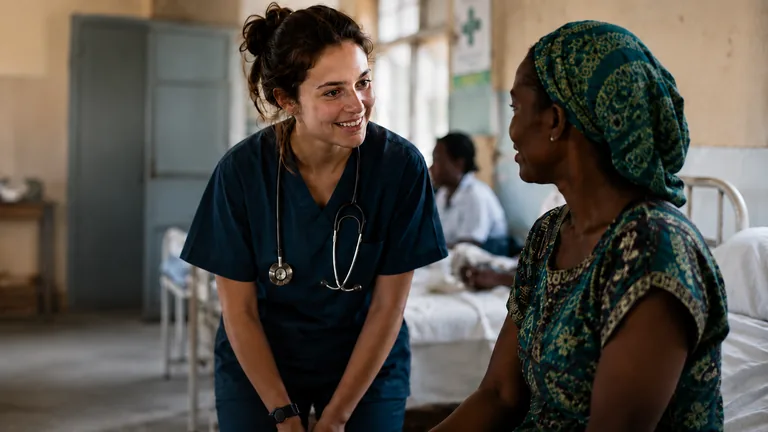
Build Your Nursing Experience in Arusha
A nursing elective in Arusha allows you to observe how nurses assess patients, plan and deliver care, communicate with families and coordinate with multidisciplinary healthcare teams across different clinical settings.
You will also learn how nurses adapt their practice across Tanzania’s healthcare system, including in resource-limited settings where clinical priorities, communication and available resources may differ from those at home.
Your placement is tailored to your training level, documented competence and learning objectives. Depending on the department and available opportunities, you may explore nursing practice in hospitals, outpatient services or community healthcare settings.
Any supervised participation remains subject to supervisor approval, patient consent, host-facility policy and the patients and departments available during your placement.
Your Nursing Learning Focus
Your elective may help you develop a broader understanding of:
- Patient assessment and vital-sign monitoring
- Nursing care planning and clinical observation
- Medication safety and administration practices
- Wound care and infection prevention
- Clinical documentation and patient handover
- Communication with patients and families
- Multidisciplinary teamwork
- Community and preventive healthcare where available
Your learning activities will be matched to your education, demonstrated competence and agreed placement objectives.
Nursing Practice Areas You May Explore
Your placement may include time in one or more nursing departments, depending on your training level, learning objectives, host-facility approval and the services available during your elective. We use your academic background and clinical interests to identify an appropriate placement, but no particular department or activity can be guaranteed.
1. General Medical Nursing
Observe how nurses assess, monitor and support adults receiving care for acute and chronic medical conditions. Learning may include vital-sign monitoring, nursing care planning, medication-safety practices, clinical documentation, patient education and multidisciplinary ward communication.
2. Surgical Nursing
Explore nursing care before and after surgery, including patient preparation, postoperative observation, pain assessment, wound care, infection prevention, fluid-balance monitoring, mobilisation and discharge education.
3. Paediatric Nursing
Learn how nurses assess and support infants, children and adolescents while communicating with parents and caregivers. Areas of observation may include vital signs, medication safety, nutrition, growth monitoring, infection prevention and family-centred care.
4. Neonatal Nursing
Where available, observe the nursing care of premature, low-birth-weight or unwell newborns. Learning may include thermal care, feeding support, infection prevention, clinical monitoring and communication with families. Access to higher-acuity neonatal areas is carefully controlled.
5. Obstetric and Gynaecological Nursing
Observe nursing support for women receiving antenatal, gynaecological, labour, postpartum or reproductive healthcare. The scope is matched to your nursing or midwifery education, while childbirth-related activities require appropriate prior training, consent, supervision and facility approval.
6. Emergency and Outpatient Nursing
Explore how nurses contribute to triage, rapid patient assessment, initial stabilisation, outpatient care, infection prevention, referrals and communication with patients and families. Activities vary according to patient needs and your demonstrated competence.
7. Intensive and High-Dependency Care
Where access is approved, observe nursing care for patients requiring close monitoring and coordinated multidisciplinary support. Learning may include patient observation, prioritisation, infection prevention, medication safety, documentation and structured clinical handover.
8. Theatre and Perioperative Nursing
Explore nursing responsibilities surrounding surgery, including preoperative preparation, surgical-safety processes, sterile technique, infection prevention, patient positioning, recovery-room observation and postoperative handover. Theatre access depends on facility policy.
9. Community and Public Health Nursing
Where available, learn how nurses support preventive healthcare, health education, maternal and child health, chronic-disease follow-up and services related to conditions such as HIV and tuberculosis. Community and outreach opportunities vary by placement period and facility.
Who Can Join a Nursing Elective?
Our nursing electives are available to applicants at different stages of their education and professional development. Your placement is matched to your documented training, experience and learning objectives.
- Pre-clinical and clinical nursing students
- Recent nursing graduates
- Registered or qualified nurses
- University and faculty-led nursing groups
Evidence of university enrolment, graduation or professional registration may be required where applicable.
A Nursing Scope Appropriate to Your Training
Your placement scope is agreed using your education, completed clinical training, demonstrated competence, professional experience and stated learning objectives.
- Named local clinical supervision
- Patient consent and privacy respected
- No procedures beyond existing competence
- Activities matched to documented training
- Infection-prevention protocols followed
- University documentation and supervisor sign-off supported where applicable
Every activity remains subject to supervisor approval, patient consent, host-facility policy and the patients and practice areas available during your elective. No procedure or level of participation is guaranteed.
Your Nursing Placement, Step by Step
From your first enquiry to your arrival in Arusha, we coordinate each stage around your nursing education, learning objectives and university requirements.
Tell Us Your Goals
Share your nursing education, completed clinical training, preferred practice areas, placement dates and any documentation required by your university.
Placement Matching
We review your background and learning objectives before matching you with an appropriate healthcare facility and available nursing practice areas in Arusha.
Confirmation & Preparation
You receive written placement details, preparation guidance and support with relevant university paperwork before travelling to Tanzania.
Arrival & Orientation
After arriving in Arusha, you receive local orientation, an introduction to your host facility and a review of your agreed placement schedule and clinical scope.
Where Your Nursing Elective May Take Place
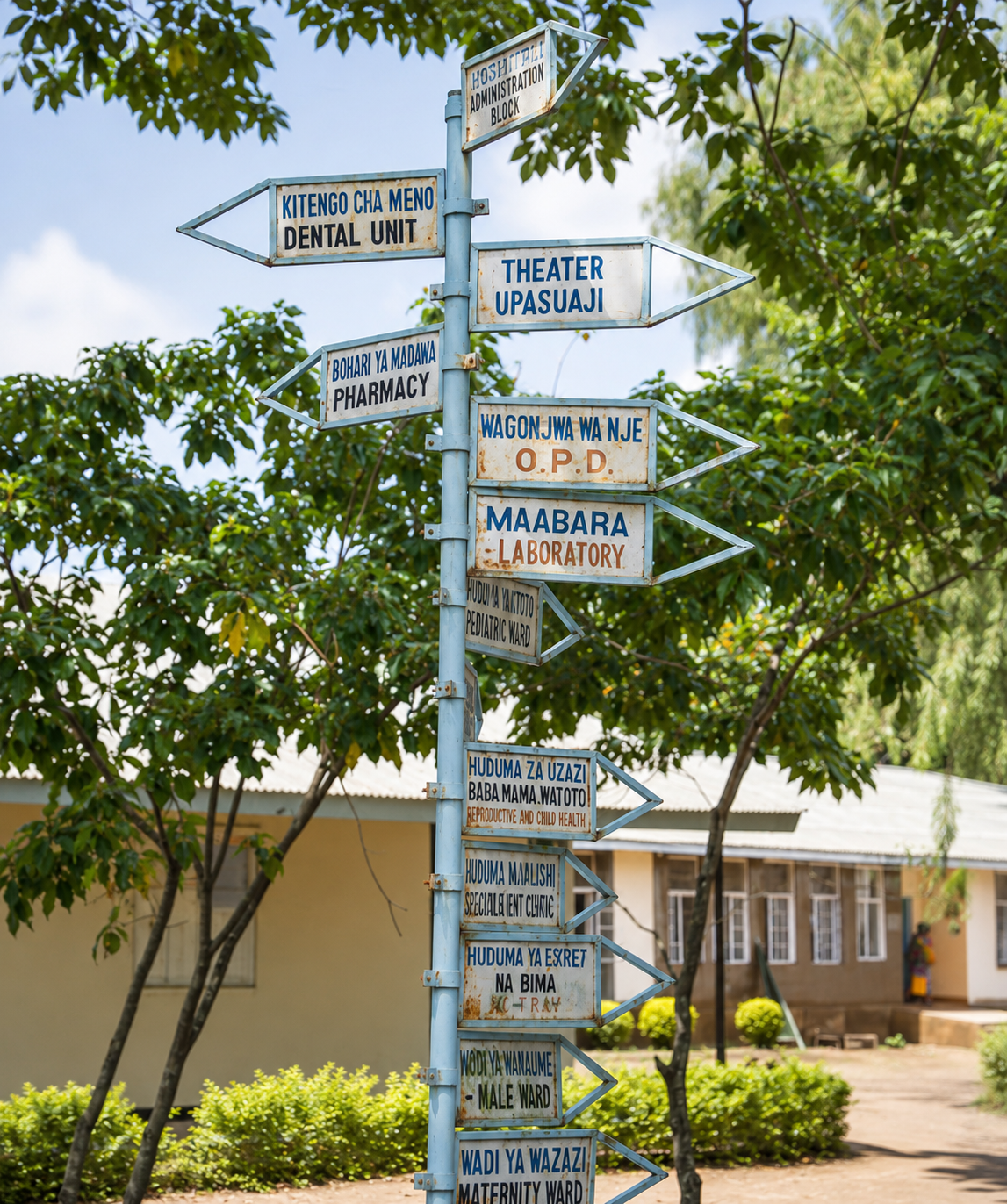
Nursing placements are arranged within our network of healthcare facilities in Arusha. Your host facility is selected according to your training level, learning objectives, preferred practice areas and availability during your placement dates.


A Complete Nursing Elective Package
Your programme fee combines placement coordination, accommodation and local support in one clearly structured package, helping you prepare for your nursing elective with fewer separate arrangements.
- Airport pickup and drop-off
- Accommodation, breakfast and dinner
- Detailed pre-departure briefing
- 24/7 emergency support
- Customized nursing placement
- Placement fee and local coordinator support
- Written placement details and confirmation
- Arusha city orientation tour
Placement coordination, local orientation, accommodation and ongoing support included.
Clinical Learning Beyond Your Home Healthcare System
A nursing elective in Arusha introduces you to patient care across healthcare settings that may differ from those at home in their resources, referral pathways, patient volumes and clinical priorities.
The experience is not about judging one healthcare system against another. It is an opportunity to understand how context influences nursing assessment, communication, care planning, patient safety and continuity of care.
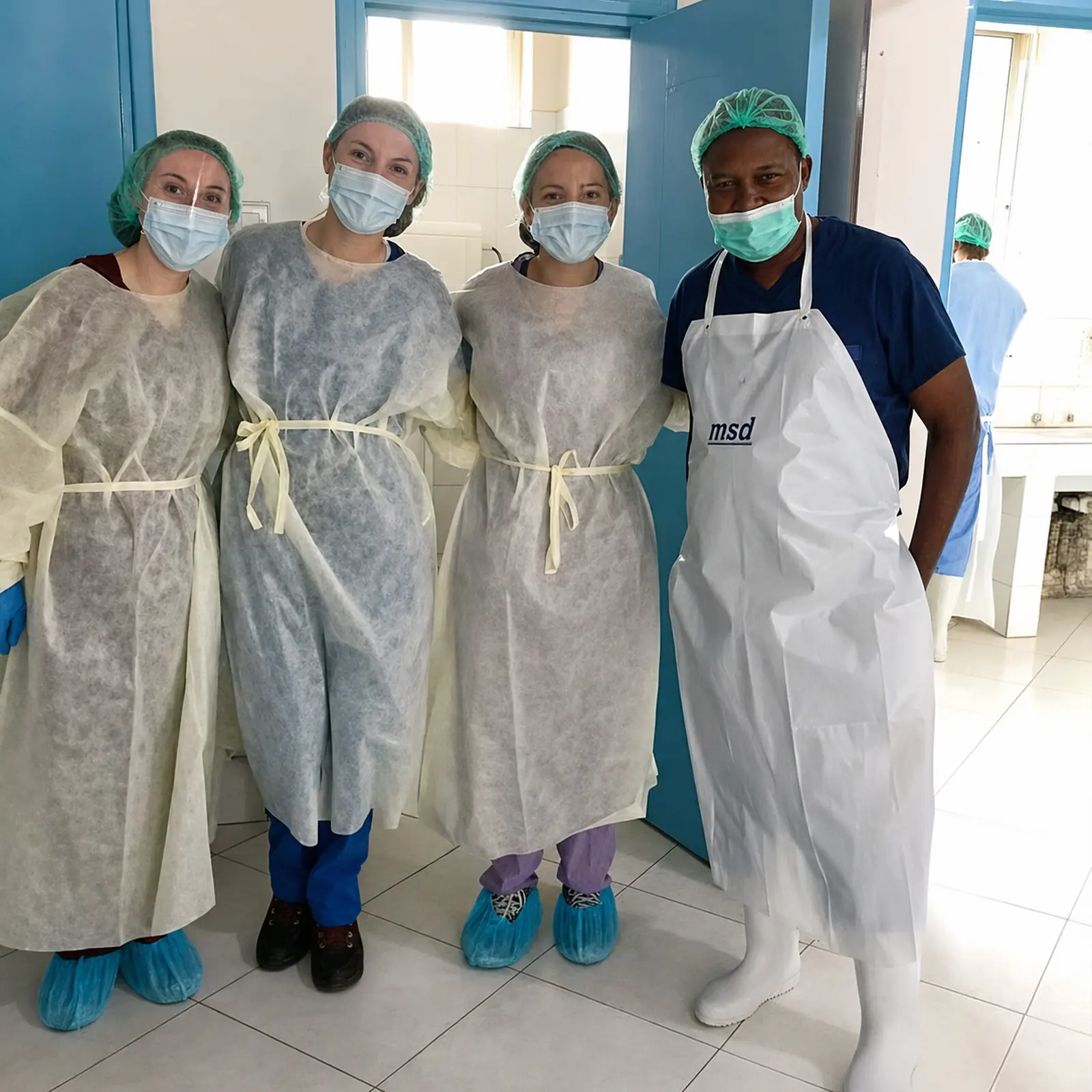
A Broader Clinical Context
Observe how patterns of illness, patient presentation, social circumstances and available resources influence nursing priorities across different levels of healthcare.
Stronger Clinical Reasoning
Learn how nurses assess, prioritise, monitor and communicate when staffing, diagnostic support or equipment may differ from what you are accustomed to.
Global Health in Practice
Develop a practical understanding of prevention, family involvement, community healthcare, multidisciplinary teamwork and the wider factors affecting patient outcomes.
Questions About Your Nursing Elective
Find answers about eligibility, placement length, nursing practice areas, supervision, programme inclusions and preparation.
1. Who can apply for a nursing elective?
Applications are welcome from pre-clinical and clinical nursing students, recent nursing graduates, registered or qualified nurses and university-led nursing groups. Your placement scope is matched to your documented education, experience and learning objectives.
2. How long can my nursing elective last?
Nursing placements are available from one week. Your final placement length can be arranged around your learning objectives, university requirements, travel plans and host-facility availability.
3. Which nursing practice areas are available?
Possible areas include general medical nursing, surgical nursing, paediatrics, neonatal care, obstetric and gynaecological nursing, emergency and outpatient care, critical care, perioperative nursing and community health. Availability varies between facilities and placement periods, so no particular area can be guaranteed.
4. What clinical activities can I undertake?
Your learning may include observing patient assessment, vital-sign monitoring, care planning, medication-safety practices, wound care, infection prevention, documentation, handover and patient communication. Any supervised participation depends on your demonstrated competence, supervisor approval, patient consent, facility policy and current clinical circumstances.
5. Will my nursing placement be supervised?
Yes. Your placement takes place within a host healthcare facility where local professionals guide your agreed learning activities. The level and format of supervision vary according to the department, your training level and the facility’s daily workload. Constant one-to-one supervision should not be assumed.
6. What is included in the fee?
The programme fee includes airport pickup and drop-off, accommodation, breakfast and dinner, pre-departure guidance, 24/7 emergency support, customized placement coordination, placement fees, local coordinator support and written placement details. Visit the pricing page for the complete and current breakdown.
7. Can you support my university paperwork?
Yes. We can provide placement details, confirmation information and supporting documentation required by many universities. Send us your faculty’s requirements early because forms, approval processes and deadlines vary between institutions.
8. When should I apply?
Apply as early as possible, ideally three to six months before your preferred start date. Allow additional time if you require university approval, specialist practice areas, group coordination or extensive documentation. Later applications may still be possible depending on availability.
Other Healthcare Electives in Tanzania
Explore our other supervised healthcare electives in Arusha, with placements matched to your training level, learning objectives and host-facility availability.
Ask About a Healthcare Placement
Have questions about our healthcare electives, internships or volunteering placements? Send us a message and our local team will help you understand the available options.